Welcome to Emston Tech, One Stop Shop For All Your Solar Needs!
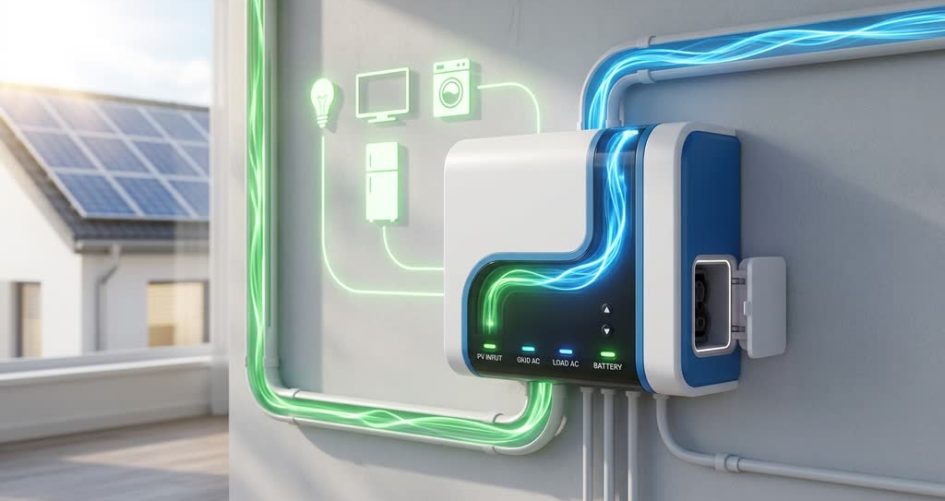
Hybrid inverters are becoming a popular choice for solar installations because they combine solar power conversion, battery management, and energy control in one device. However, many homeowners and installers have the same question before choosing equipment: Does a hybrid inverter work without a battery?
The short answer is yes, in many cases a hybrid inverter can operate without a battery. When no battery is connected, a compatible hybrid inverter can function similarly to a grid-tied solar inverter by converting solar energy into usable AC electricity for your home or sending excess power to the grid. However, without a battery, you do not get the energy storage benefits or most backup power capabilities that make hybrid systems valuable. :contentReference[oaicite:0]{index=0}
For solar buyers considering future upgrades, understanding how a battery-free hybrid inverter works can help you decide whether investing in hybrid technology now makes sense.
A hybrid inverter is a solar inverter designed to manage power from multiple sources, including solar panels, batteries, and the electrical grid. Unlike a traditional string inverter that mainly converts DC electricity from solar panels into AC electricity, a hybrid inverter includes additional controls for charging and discharging batteries. :contentReference[oaicite:1]{index=1}
A typical hybrid solar system can perform several functions:
The battery connection is one of the features that separates hybrid inverters from standard solar inverters, but the presence of a battery is not always required for the inverter to operate.
Yes, many hybrid inverters can run without a battery if the manufacturer supports battery-free operation. In this setup, the inverter usually operates as a grid-connected solar inverter.
The solar panels produce DC electricity, and the hybrid inverter converts that electricity into AC power used by your home. If your solar system generates more electricity than your home consumes, the extra energy may be exported to the grid depending on your utility rules and system configuration. :contentReference[oaicite:2]{index=2}
| System Configuration | How It Works | Battery Required? |
|---|---|---|
| Standard Grid-Tied Inverter | Converts solar energy into AC electricity and sends excess power to the grid. | No |
| Hybrid Inverter Without Battery | Uses solar power directly and can export excess electricity, depending on settings. | No |
| Hybrid Inverter With Battery | Adds energy storage, backup options, and greater control over energy usage. | Yes |
When there is no battery connected, the hybrid inverter simply cannot store extra solar energy. Instead, electricity generally follows a simpler path:
This setup can still reduce reliance on utility power during sunny hours, but it does not provide the same level of energy independence as a battery-equipped system.
One of the biggest reasons people choose a hybrid inverter without a battery is future flexibility. Instead of replacing a standard inverter later, homeowners may be able to add a compatible battery when they are ready.
This approach can make sense for customers who want solar savings today but may want backup power or energy storage in the future.
Hybrid inverters often include advanced monitoring and energy management features. Even without a battery, these systems may provide detailed information about solar production, consumption, and grid interaction.
Batteries can represent a significant portion of a solar storage system investment. Installing a hybrid inverter first allows some buyers to delay the battery purchase while still preparing the system for future expansion.
Although a battery-free hybrid inverter can work, there are important limitations to understand.
| Feature | Without Battery | With Battery |
|---|---|---|
| Solar power during normal operation | Yes | Yes |
| Store excess solar energy | No | Yes |
| Use solar energy at night | No | Yes |
| Backup power during outages | Usually unavailable | Available with compatible equipment |
The biggest difference is that excess solar energy cannot be saved for later use. Without a battery, solar production is limited to the current energy demand of your home and any available grid export options.
A common misunderstanding is that solar panels automatically keep a home powered during a blackout. Most grid-connected solar systems shut down during outages for safety reasons unless they have the necessary backup equipment and configuration. A battery is typically needed to provide stored energy when the grid is unavailable. :contentReference[oaicite:3]{index=3}
The answer depends on your long-term solar goals.
A hybrid inverter may be a practical choice if:
A traditional solar inverter may be sufficient if:
Before purchasing, always check the inverter manufacturer’s specifications. Not every hybrid inverter has identical operating modes, and battery compatibility can vary between models.
If you plan to add storage later, consider these factors:
Yes. Many hybrid inverters can operate without a battery and function like a grid-connected solar inverter. However, battery storage features will not be available until a compatible battery is installed.
Usually, no. Most grid-connected solar systems shut down during outages unless they include specific backup functionality designed for operation without the grid.
A hybrid inverter offers more flexibility because it can support battery storage, but a standard inverter may be a suitable choice for customers who do not need storage now or in the future.
In many cases, yes. A major advantage of hybrid inverters is that they are designed with future battery integration in mind. Always confirm compatibility with the specific inverter model.
A hybrid inverter can work without a battery, making it a flexible option for solar users who want to prepare for future energy storage. Without a battery, it can still convert solar energy and help reduce grid electricity use, but it will not provide the full benefits of a storage system.
For homeowners and businesses planning a future battery upgrade, choosing the right hybrid inverter from the beginning can make expanding a solar system easier. Emston Tech provides solar equipment solutions designed to help customers understand their options and select components that match their project goals.