Welcome to Emston Tech, One Stop Shop For All Your Solar Needs!
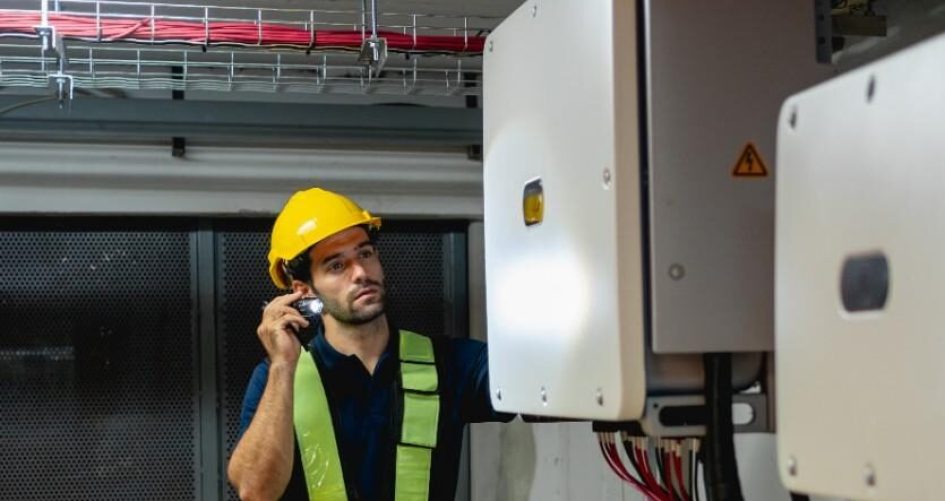
When people think about a solar energy system, solar panels usually get all the attention. However, one of the most important components in any solar installation is the solar inverter. Often referred to as the “brain” of a solar power system, the inverter is responsible for converting the electricity generated by your solar panels into usable power for your home or business.
Choosing the right solar inverter can significantly impact the efficiency, reliability, and long-term performance of your solar investment. With multiple inverter technologies, power ratings, and features available on the market, selecting the best option can feel overwhelming.
This comprehensive guide will walk you through everything you need to know before purchasing a solar inverter, helping you make an informed decision that maximizes the return on your solar investment.
Solar panels generate Direct Current (DC) electricity when exposed to sunlight. Most homes, businesses, and electrical appliances operate using Alternating Current (AC) electricity.
A solar inverter converts the DC electricity produced by your solar panels into AC electricity that can power your lights, appliances, electronics, and equipment. Modern inverters do much more than simple power conversion. They monitor system performance, optimize energy production, provide safety protections, and often integrate with battery storage systems.
Without a properly functioning inverter, your solar panels cannot effectively power your property.
Many buyers focus primarily on solar panel quality while overlooking the inverter. In reality, the inverter plays a critical role in determining overall system performance.
A high-quality inverter can:
An improperly sized or low-quality inverter can lead to energy losses, reduced performance, and costly repairs in the future.
Before making a purchase, it’s important to understand the main inverter technologies available today.
String inverters are the most common and cost-effective type of solar inverter.
In a string inverter system, multiple solar panels are connected together in a series, forming a “string.” The inverter converts the combined electricity from all panels.
String inverters are an excellent choice for homes with simple roof layouts and minimal shading.
Microinverters are installed directly on each solar panel.
Instead of one central inverter handling all panels, each panel operates independently with its own inverter.
Microinverters are particularly useful for roofs with multiple orientations, shade issues, or complex layouts.
Hybrid inverters combine traditional inverter functionality with battery management capabilities.
These systems allow homeowners to store excess solar energy in batteries for later use.
Hybrid inverters are becoming increasingly popular as battery storage adoption continues to grow.
Battery inverters are specifically designed to work with energy storage systems.
They manage charging and discharging cycles while optimizing battery performance.
These inverters are commonly used in off-grid and backup power systems.
Central inverters are typically used in large commercial and industrial solar installations.
They operate similarly to string inverters but on a much larger scale.
Businesses, solar farms, and utility-scale projects often rely on central inverter systems for efficient energy conversion.
One of the biggest mistakes solar buyers make is choosing the wrong inverter size.
An inverter that is too small may limit energy production during peak sunlight hours. An oversized inverter can increase costs unnecessarily.
When selecting inverter size, consider:
Most residential solar systems use inverters ranging from 3kW to 15kW, depending on system size.
Consulting with a qualified solar professional can help ensure proper sizing.
Efficiency is one of the most important specifications when comparing solar inverters.
Inverter efficiency measures how effectively the device converts DC electricity into usable AC electricity.
For example:
Modern premium inverters often achieve efficiencies between 97% and 99%.
Even small efficiency differences can result in significant energy savings over the lifespan of a solar system.
Your roof layout can significantly influence which inverter technology is best.
Homes with a single roof orientation and minimal shading often perform well with string inverters.
Properties with:
may benefit more from microinverters or power optimizers.
These technologies allow individual panels to perform independently, minimizing losses caused by shading.
Modern solar inverters often include advanced monitoring capabilities.
Monitoring systems allow users to track:
Many manufacturers provide smartphone apps that offer real-time visibility into system performance.
Comprehensive monitoring helps identify issues early and maximize energy production.
Even if you’re not planning to install batteries today, it’s wise to consider future energy storage needs.
Battery adoption is growing rapidly as homeowners seek:
Choosing a hybrid inverter now can save significant upgrade costs later.
A battery-ready system gives you greater flexibility as your energy needs evolve.
Solar inverters typically have shorter warranties than solar panels.
While many solar panels carry warranties of 25 years or more, inverter warranties commonly range from:
Longer warranty periods often indicate greater manufacturer confidence in product durability.
When comparing products, review:
Strong warranty protection can provide valuable peace of mind.
Not all inverter manufacturers offer the same level of quality and reliability.
Before purchasing, research:
A reputable manufacturer is more likely to provide dependable performance and long-term support.
Your inverter choice should align with your system type.
Most residential solar systems remain connected to the utility grid.
These systems use grid-tied inverters that synchronize with utility power.
Remote locations may require off-grid inverters capable of operating independently without utility power.
These systems often incorporate batteries and backup generators.
Hybrid systems combine grid connectivity with battery storage, offering flexibility and backup power.
Modern solar inverters include important safety protections.
Look for features such as:
These safety systems help protect both your equipment and property.
When shopping for a solar inverter, avoid these common mistakes:
The cheapest inverter may cost more over time through reduced efficiency and reliability.
Short warranties may indicate lower product quality.
Consider whether your energy needs may increase in the future.
Shade can dramatically impact inverter performance depending on system design.
Work with trusted solar providers that offer quality products and customer support.
Choosing the right solar inverter is one of the most important decisions you’ll make when building a solar energy system. The ideal inverter depends on your energy goals, roof layout, budget, future expansion plans, and battery storage requirements.
By understanding inverter types, evaluating efficiency ratings, considering monitoring features, and investing in quality equipment, you can maximize the performance and lifespan of your solar installation.
At EmstonTech, we offer a wide selection of high-quality solar inverters, solar panels, battery storage systems, and complete solar solutions to help homeowners and businesses build efficient, reliable, and future-ready energy systems. Whether you’re installing your first solar array or upgrading an existing system, choosing the right inverter today can deliver years of dependable performance and energy savings.