Welcome to Emston Tech, One Stop Shop For All Your Solar Needs!
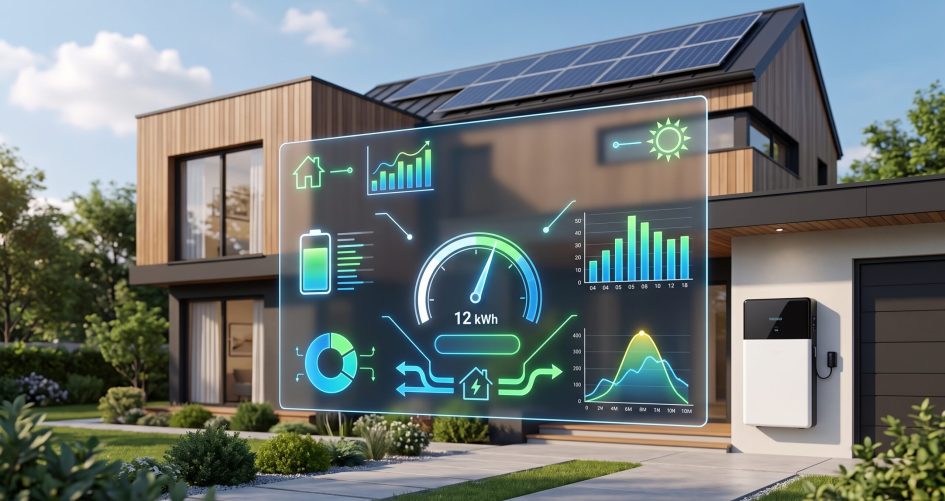
Solar battery storage is becoming an essential part of modern solar energy systems. While solar panels generate electricity during daylight hours, batteries allow homeowners and businesses to store that energy and use it when needed, including at night, during peak utility rates, or during power outages.
One of the most common questions customers ask when planning a solar installation is: How much battery storage do I need? The answer depends on several factors, including your electricity usage, backup power goals, solar system size, and how long you want your battery to operate during an outage.
At Emston Tech, we help customers across the United States select reliable solar equipment and energy storage solutions that match their unique needs. This battery sizing guide explains how storage capacity works, how to calculate your requirements, and how to choose the right battery size for your solar system.
Solar batteries are measured in kilowatt-hours (kWh), which represents the amount of energy a battery can store. A higher kWh rating means the battery can store more electricity and power your home for a longer period.
For example:
Battery storage sizing is not only about capacity. You also need to consider:
Solar batteries provide more control over how and when you use electricity. Instead of sending excess solar energy back to the grid or wasting unused production, you can store that energy for later use.
The first step is understanding how much electricity your home uses each day. You can find this information on your utility bill or through your electricity monitoring system.
For example:
This means the household uses approximately 30 kWh of electricity each day.
Not every homeowner needs enough battery storage to power an entire home for multiple days. Many systems are designed to keep essential appliances running during outages.
Common backup priorities include:
A basic formula for battery sizing is:
Required Battery Capacity = Daily Energy Usage × Backup Days × Efficiency Adjustment
Most systems include an efficiency adjustment because batteries do not deliver 100% of their stored energy due to normal conversion losses.
Example:
Solar batteries are available in many sizes to support different applications. The best choice depends on your electricity needs and backup expectations.
| Battery Capacity | Typical Application | Backup Capability | Best For |
|---|---|---|---|
| 5 kWh | Small backup systems | Essential devices for several hours | Low-energy homes and small loads |
| 10 kWh | Residential solar storage | Essential circuits for part of a day | Average households |
| 13–15 kWh | Full residential backup systems | Many household appliances | Homes with higher energy needs |
| 20 kWh+ | Large homes and commercial systems | Extended backup operation | High-demand users |
| Daily Electricity Usage | Recommended Battery Range | Typical User | Considerations |
|---|---|---|---|
| 10–15 kWh/day | 5–10 kWh battery | Small households | Focus on essential backup loads |
| 20–30 kWh/day | 10–15 kWh battery | Average homes | Balance cost and backup needs |
| 30–50 kWh/day | 15–30 kWh battery | Large homes | May require multiple battery units |
| 50+ kWh/day | 30 kWh+ battery system | Commercial applications | Requires detailed energy planning |
Larger homes generally use more electricity and may require additional battery capacity. However, the number of occupants and lifestyle habits also affect energy usage.
Your solar array should produce enough energy to recharge your battery regularly. A larger battery may not provide maximum value if your solar system cannot generate enough electricity to fill it.
Your storage needs depend on whether you want basic emergency backup or full-home energy coverage.
Weather conditions can influence energy needs. Homes in areas with extreme temperatures may require additional storage to support heating and cooling equipment.
Consider future electricity demands, including:
A properly designed solar-plus-storage system requires matching your battery capacity with your solar panel production and inverter capability.
Examples:
Selecting the correct battery size requires balancing performance, cost, and energy goals.
Analyze your monthly energy consumption to understand your average daily electricity needs.
Decide which appliances and systems must continue operating during an outage.
Your solar panels should generate enough energy to recharge your battery consistently.
If you expect higher electricity usage in the future, choosing a scalable battery system may provide better long-term value.
Emston Tech provides dependable solar batteries, inverters, and energy storage solutions designed to support residential and commercial solar projects.
The required battery size depends on your daily electricity usage and backup goals. Many homes use battery systems between 10 kWh and 15 kWh, while larger homes may require more capacity.
Yes, but the required battery size depends on your home’s energy consumption and the appliances you want to operate. Whole-home backup typically requires larger battery capacity.
Backup duration depends on battery size, energy usage, and the number of appliances running. A smaller battery may provide several hours of backup, while larger systems can provide power for longer periods.
A larger battery may provide more flexibility for future energy needs, but oversizing can increase costs. The ideal battery size should match your current usage, solar production, and future plans.
Choosing the correct battery storage size is essential for creating an efficient and reliable solar energy system. The right battery allows you to store solar power, improve energy independence, and maintain electricity access during outages.
By evaluating your electricity usage, backup requirements, solar production, and future plans, you can select a storage solution that delivers long-term value.
Emston Tech offers high-quality solar equipment and battery storage solutions to help homeowners and businesses build smarter energy systems.
Explore Emston Tech’s solar battery options today and find the right storage capacity for your energy goals.