Welcome to Emston Tech, One Stop Shop For All Your Solar Needs!
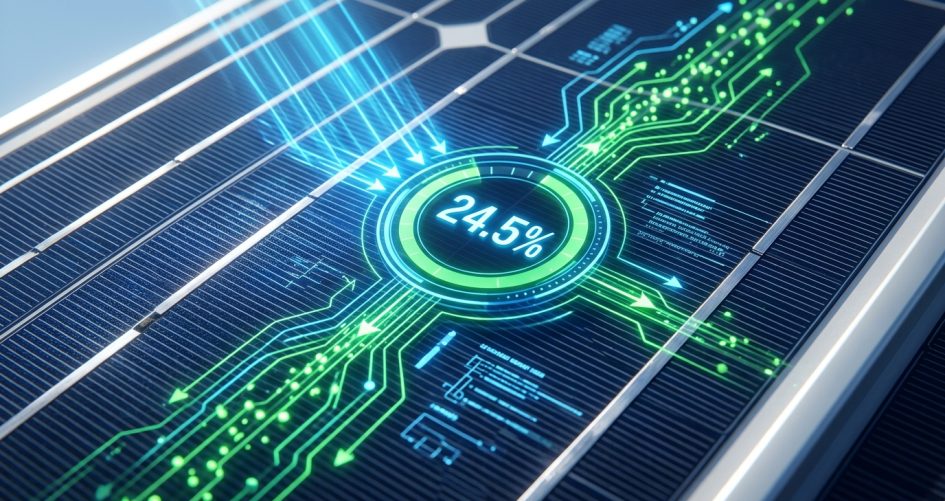
When shopping for solar equipment, one of the first specifications many buyers notice is the solar panel efficiency percentage. A panel advertised as “22% efficient” may sound like it produces 22% more energy than another panel, but that is not what the number means.
Solar panel efficiency is a measurement of how effectively a panel converts sunlight into usable electricity under standardized testing conditions. It helps compare different panels, but it is only one factor that affects the performance of a complete solar system. Other considerations include panel size, system design, inverter quality, battery storage options, shading, installation conditions, and available roof or ground space. :contentReference[oaicite:0]{index=0}
For homeowners, businesses, and solar installers, understanding what efficiency really means makes it easier to choose the right combination of solar panels, inverters, battery backups, mounting systems, and other equipment.
Solar panel efficiency represents the percentage of sunlight energy that a panel converts into electrical energy. In simple terms, it answers this question:
“How much electricity can this panel produce from the sunlight that hits its surface?”
For example, a panel rated at 20% efficiency converts about 20% of the solar energy reaching the panel into electricity under laboratory test conditions. The remaining energy is not wasted due to poor quality; it is lost through heat, reflection, and other physical limitations of photovoltaic technology. :contentReference[oaicite:1]{index=1}
A higher efficiency rating means a panel can generate more power from the same amount of sunlight in the same amount of space.
Manufacturers calculate solar panel efficiency using a standardized formula:
Efficiency (%) = Electrical power output ÷ Solar energy input × 100
Solar panels are tested under Standard Test Conditions (STC), which provide a consistent way to compare products. These conditions typically include a solar irradiance level of 1,000 watts per square meter, a cell temperature of 25°C, and a defined sunlight spectrum. :contentReference[oaicite:2]{index=2}
Because real-world conditions are different, actual energy production may vary. Panels operate in changing temperatures, weather conditions, and sunlight levels throughout the year.
Efficiency is important because space is often one of the biggest limitations in solar projects.
However, efficiency is not the only measure of a good solar panel. A slightly lower-efficiency panel may still be a practical choice if it meets the project’s power requirements and installation goals.
Many people confuse efficiency with wattage. They are related, but they describe different things.
| Specification | What It Means | Why It Matters |
|---|---|---|
| Efficiency Rating (%) | The percentage of sunlight converted into electricity | Shows how much power can be produced from a given surface area |
| Power Rating (Watts) | The maximum electrical output of a panel under test conditions | Helps determine the number of panels needed for a system |
| Energy Production (kWh) | The amount of electricity generated over time | Reflects actual system performance based on location and conditions |
For example, a larger panel with a lower efficiency rating may produce similar or higher wattage than a smaller, highly efficient panel. The right choice depends on the available installation space and energy goals.
Solar panels are available in several technologies. Each type has different design characteristics, efficiency levels, and ideal applications.
Monocrystalline panels use silicon cells made from a single crystal structure. They are commonly selected for residential and commercial applications because they generally provide strong efficiency and good performance in limited spaces.
Polycrystalline panels use multiple silicon fragments combined during manufacturing. They were historically popular because of their simpler production process, although many newer installations now use higher-efficiency technologies.
Thin-film technology uses very thin layers of photovoltaic material. These panels can offer flexibility and unique application options, although their efficiency characteristics differ from many crystalline silicon panels.
| Panel Type | General Characteristics | Common Considerations |
|---|---|---|
| Monocrystalline | High-performing silicon technology with strong space efficiency | Often preferred where roof or installation space is limited |
| Polycrystalline | Traditional silicon technology with established manufacturing methods | May require more space for similar system capacity |
| Thin-Film | Lightweight and adaptable technology | Often considered for specialized applications |
A panel’s efficiency rating is measured in controlled conditions, but several real-world factors influence how much electricity a solar system actually produces.
Not necessarily. The best solar equipment choice depends on the specific project.
Higher-efficiency panels can be valuable when:
A different panel option may make sense when:
Efficiency should be considered alongside other important specifications. When evaluating solar equipment, look at:
A solar system is more than just panels. A well-designed installation combines multiple components working together:
Choosing equipment as part of a complete system approach can help ensure that every component supports the project’s goals.
Not always. Higher efficiency can be helpful when space is limited, but the best choice depends on your available area, energy needs, budget considerations, and overall system design.
No. The percentage describes how much sunlight energy is converted into electricity under standardized testing conditions. It does not represent operating time or daily production.
Photovoltaic technology has physical limitations. Some sunlight is reflected, some becomes heat, and some cannot be converted by the materials used in the solar cell.
No. Efficiency is one important specification, but panel quality, inverter selection, installation design, storage needs, and long-term reliability should also be considered.
Solar panel efficiency is an important measurement, but the percentage tells only part of the story. It explains how effectively a panel converts sunlight into electricity and helps determine how much power can fit into a given space.
The right solar solution combines efficient panels with reliable inverters, battery backups, mounting systems, and other equipment designed for your specific application. Emston Tech provides solar equipment solutions, including panels, inverters, battery backups, carports, kits, and racking options to help customers build effective solar systems for residential and commercial projects.