Welcome to Emston Tech, One Stop Shop For All Your Solar Needs!
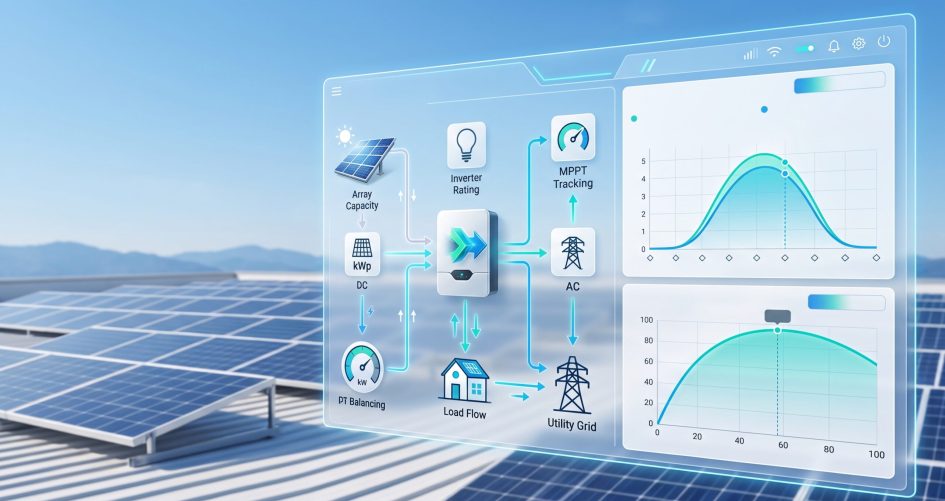
Choosing the correct solar inverter size is one of the most important steps when designing a reliable solar energy system. While solar panels determine how much electricity your system can generate from sunlight, the inverter controls how that energy is converted, managed, and delivered to your home or business.
A properly sized inverter helps maximize energy production, improve system efficiency, and protect your solar investment. An inverter that is too small may limit solar output, while an oversized inverter can increase costs without providing meaningful benefits.
For homeowners, installers, and businesses across the United States, understanding inverter sizing is essential when building a solar system. At Emston Tech, we provide high-quality solar equipment solutions and help customers select components that match their energy goals.
This guide explains how to size a solar inverter using kilowatt (kW) ratings, compares common inverter sizes, and provides practical tips for selecting the right inverter for your solar panel system.
Solar inverter sizing refers to selecting an inverter with the appropriate power capacity to handle the electricity produced by your solar panels. The inverter rating is measured in kilowatts (kW), which represents the maximum amount of AC power the inverter can deliver.
For example, a 5 kW inverter can typically provide up to 5 kilowatts of AC power output at a given time.
When sizing an inverter, you should consider:
A common mistake is assuming that solar panel capacity and inverter capacity must always be identical. In reality, many solar systems use a design approach called DC-to-AC ratio optimization, where the solar panel capacity is slightly higher than the inverter capacity.
For example:
The ideal ratio depends on system design, climate, panel orientation, and project goals.
The first step is calculating your total solar panel capacity. Add together the wattage of all panels in your system.
Example:
Your solar array size is 8 kW DC.
Many systems use an inverter sized between 75% and 100% of the solar array capacity, depending on design requirements.
For an 8 kW solar array, possible inverter options may include:
Your inverter should match your energy goals. A home with high electricity demand may require a larger inverter, while a smaller property may not need maximum capacity.
Solar inverters are available in many sizes for residential, commercial, and industrial applications. The correct choice depends on system size and energy requirements.
| Inverter Size | Typical Solar Array Size | Common Application | Best For |
|---|---|---|---|
| 1 kW–3 kW | 1.5 kW–4 kW | Small homes and off-grid systems | Low electricity usage |
| 5 kW | 5 kW–7 kW | Residential solar systems | Average household energy needs |
| 6 kW–8 kW | 7 kW–10 kW | Large residential systems | Higher energy consumption homes |
| 10 kW–20 kW | 12 kW–25 kW | Commercial and large properties | Business energy requirements |
| 30 kW+ | 40 kW+ | Industrial and utility projects | Large-scale solar installations |
The total wattage of your solar panels directly affects the inverter capacity needed. Higher-powered panels or larger solar arrays require inverters capable of handling greater energy production.
Your geographic location affects how much solar energy your system produces. Areas with strong sunlight may require different inverter sizing strategies compared with regions with lower solar production.
Panel direction and angle influence energy production throughout the day. A system with ideal orientation may produce more consistent power than one affected by shading or poor positioning.
If you plan to add batteries, inverter selection becomes more important. Hybrid inverters designed for storage may require different sizing considerations than standard grid-tied inverters.
If you expect to add more solar panels later, selecting an inverter with additional capacity may provide greater flexibility.
| System Size | Recommended Inverter Range | Typical Users | Key Consideration |
|---|---|---|---|
| 3 kW Solar System | 2.5 kW–3 kW inverter | Small homes and apartments | Focus on affordability and efficiency |
| 5 kW Solar System | 4 kW–5 kW inverter | Average residential users | Balanced energy production |
| 8 kW Solar System | 6 kW–8 kW inverter | Large homes | Consider future energy needs |
| 10 kW Solar System | 8 kW–10 kW inverter | High-consumption homes and small businesses | Optimize production and cost |
| 20 kW+ Solar System | 15 kW–20 kW+ inverter | Commercial applications | Prioritize scalability |
An undersized inverter may limit the amount of electricity your solar panels can deliver. This situation can reduce system performance during periods of strong sunlight.
Potential issues include:
An oversized inverter may increase equipment costs without improving energy production if the solar array cannot provide enough power.
Possible disadvantages include:
Selecting the correct inverter requires balancing performance, budget, and future energy needs. Follow these steps when planning your solar system.
Determine the total DC wattage of your solar panels. This provides the foundation for selecting an inverter size.
Analyze your monthly electricity consumption and identify your current and future energy requirements.
Evaluate factors such as shading, roof angle, climate conditions, and available space.
If you want backup power or energy independence, consider a hybrid inverter that supports battery integration.
Choosing reliable solar equipment from Emston Tech helps ensure your inverter matches your system requirements and delivers dependable long-term performance.
Not always. Many solar systems use a slightly smaller inverter compared with total panel capacity to improve energy production throughout the day. The correct ratio depends on system design.
A 5 kW solar system commonly uses an inverter between approximately 4 kW and 5 kW, depending on design goals, local conditions, and utility requirements.
In some cases, selecting a larger inverter can allow future expansion. However, compatibility with additional panels, electrical requirements, and system design should be considered.
Signs of an undersized inverter may include frequent power clipping during peak sunlight hours or an inverter rating significantly below the solar array capacity.
Proper solar inverter sizing is essential for creating an efficient, reliable, and cost-effective solar energy system. By understanding your solar panel capacity, energy needs, installation conditions, and future plans, you can select an inverter that delivers strong performance for years.
Whether you are building a residential solar system, upgrading an existing installation, or planning a commercial project, Emston Tech provides quality solar equipment solutions to support your energy goals.
Explore Emston Tech’s solar inverter options today and find the right kW solution for your solar system.