Welcome to Emston Tech, One Stop Shop For All Your Solar Needs!
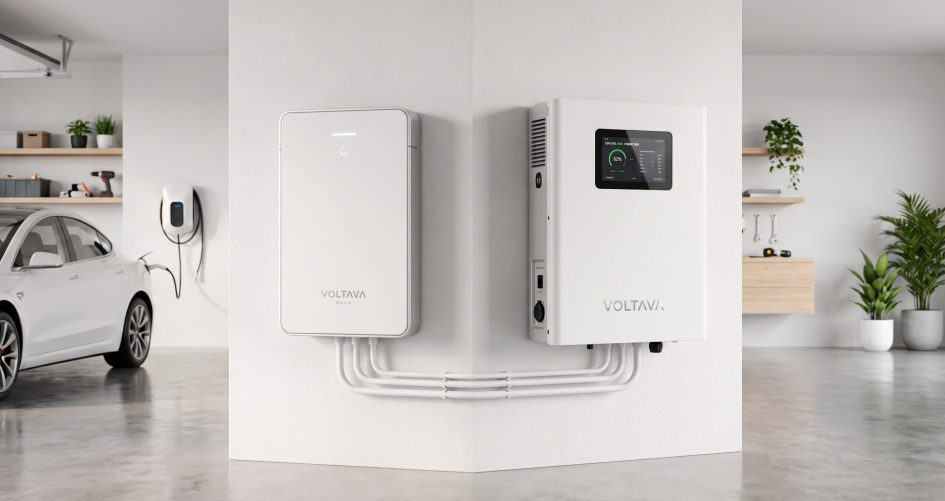
Home battery storage has become one of the fastest-growing parts of the solar industry. As more homeowners look for energy independence, backup power, and better control over electricity costs, battery systems like the Tesla Powerwall have become popular choices across the United States.
Tesla’s Powerwall 2 and Powerwall 3 both provide reliable energy storage, but they are designed with different technologies and applications in mind. The biggest differences are found in inverter integration, power output, solar compatibility, and system design flexibility.
For homeowners planning a new solar installation or upgrading an existing system, understanding the differences between Tesla Powerwall 2 vs Powerwall 3 can help you choose the right battery solution. At Emston Tech, we help customers find quality solar equipment and storage solutions designed for modern energy needs.
This comparison guide explains the key features, specifications, advantages, and selection factors to help you determine which Tesla Powerwall option best fits your home or solar project.
Tesla Powerwall is a rechargeable home battery system designed to store electricity for later use. It can store excess solar energy during the day and provide power when solar production is low, electricity prices are higher, or the grid goes down.
Powerwall systems are commonly used for:
Tesla Powerwall systems include monitoring and control features through the Tesla app, allowing homeowners to track energy usage, battery status, and system performance. :contentReference[oaicite:0]{index=0}
The Tesla Powerwall 2 is an AC-coupled battery storage system designed to work with existing solar installations and a wide range of inverter brands.
Because Powerwall 2 does not include an integrated solar inverter, it is commonly installed alongside a separate solar inverter. This makes it a popular option for homeowners who already have solar panels installed and want to add battery storage later.
The Tesla Powerwall 3 is Tesla’s newer-generation home battery system. Unlike Powerwall 2, Powerwall 3 includes an integrated solar inverter, allowing it to combine solar conversion, battery storage, and energy management in one platform. :contentReference[oaicite:1]{index=1}
This integrated design makes Powerwall 3 especially attractive for new solar installations where homeowners want a streamlined solar-plus-storage solution.
| Feature | Tesla Powerwall 2 | Tesla Powerwall 3 |
|---|---|---|
| Battery Capacity | 13.5 kWh | 13.5 kWh |
| Battery Type | Lithium-ion battery system | Advanced lithium battery system |
| Solar Inverter | Requires separate inverter | Integrated solar inverter |
| System Design | AC-coupled | Integrated hybrid-style design |
| Best For | Existing solar systems | New solar and storage installations |
| Main Benefit | Compatibility and flexibility | Higher power and simplified integration |
| Specification | Powerwall 2 | Powerwall 3 |
|---|---|---|
| Usable Energy | 13.5 kWh | 13.5 kWh |
| Continuous Power Output | 5 kW | Up to 11.5 kW |
| Backup Capability | Up to 7 kW peak output | Higher continuous backup output |
| Solar Input | Requires external inverter | Integrated solar inputs with MPPT control |
| Installation | Wall or floor mounted | Wall or floor mounted |
| Warranty | 10 years | 10 years |
The largest performance difference between the two models is power output. Powerwall 3 is designed to provide significantly higher continuous power compared with Powerwall 2, which means it can support more appliances and larger household loads at the same time. :contentReference[oaicite:2]{index=2}
This can be especially important for homeowners who want backup power for:
Powerwall 2 works with a separate solar inverter, making it suitable for adding storage to an existing solar system. Powerwall 3 integrates solar inverter functionality, reducing the number of separate components required in many new installations. :contentReference[oaicite:3]{index=3}
The best choice depends heavily on whether you are installing a new solar system or upgrading an existing one.
Selecting the right battery depends on your energy goals, current equipment, and future plans.
If you already have solar panels and an inverter installed, Powerwall 2 may be easier to integrate. If you are starting a new solar project, Powerwall 3 may offer a more streamlined solution.
Think about which appliances and systems you want to operate during an outage. Homes with larger electrical demands may benefit from the higher output capability of Powerwall 3.
Do not compare battery prices alone. Consider installation, inverter requirements, additional equipment, labor, and future expansion options.
Emston Tech helps customers evaluate solar storage options and choose equipment that matches their energy requirements, installation plans, and budget.
Powerwall 3 includes several improvements, including higher power output and an integrated solar inverter. However, Powerwall 2 may still be a practical choice for homeowners adding storage to an existing solar system.
Yes, Powerwall 3 includes integrated solar inverter functionality, which can reduce the need for a separate solar inverter in compatible new installations. :contentReference[oaicite:4]{index=4}
Both Powerwall 2 and Powerwall 3 provide approximately 13.5 kWh of usable energy storage capacity. :contentReference[oaicite:5]{index=5}
For many new solar installations, Powerwall 3 offers advantages through integrated inverter technology and higher power capability. However, the best option depends on your specific solar design and energy goals.
Tesla Powerwall 2 and Powerwall 3 both provide reliable home energy storage, but they are designed for different applications. Powerwall 2 remains a flexible option for existing solar systems, while Powerwall 3 offers improved integration and higher power output for new solar installations.
The right battery choice depends on your current solar setup, backup power needs, and future energy plans. With the right equipment, you can improve energy independence, increase solar utilization, and prepare your home for changing energy demands.
Explore solar storage solutions from Emston Tech today and find the right battery and solar equipment combination for your home or business.